Week 2
Populism

Soci—229

Sakeef M. Karim
Amherst College


THE SOCIOLOGY OF EXCLUSIONARY POLITICS AND THE ASCENDANT FAR RIGHT

Populism and Democracy–
September 8th

Some Clarification

How should you … well, “read” or navigate
our course readings?

Some Clarification

Full Page

What’s Democracy, Anyway?

A Group Exercise

Get into groups of 2-3 students. Think about democracy. How would you define it? Can you think of more than one definition?

What are some of the defining features of modern democratic regimes? Do these features always map onto the idea of
democratic “self-rule?”

Democracy’s Multitudes

An Entry Point

The democratic transition swept Western Europe and, over the course of the 20th century, refashioned most of the world’s governments in its image. Democratization revolutionized authority, transforming subjects into citizens, autocrats into politicians, and barons into employers. Although authoritarian regimes linger, and political democracy has not eliminated inequalities of income and wealth, these changes amount to a remarkable transformation in the exercise of power.

(Usmani 2018, 665, EMPHASIS ADDED)

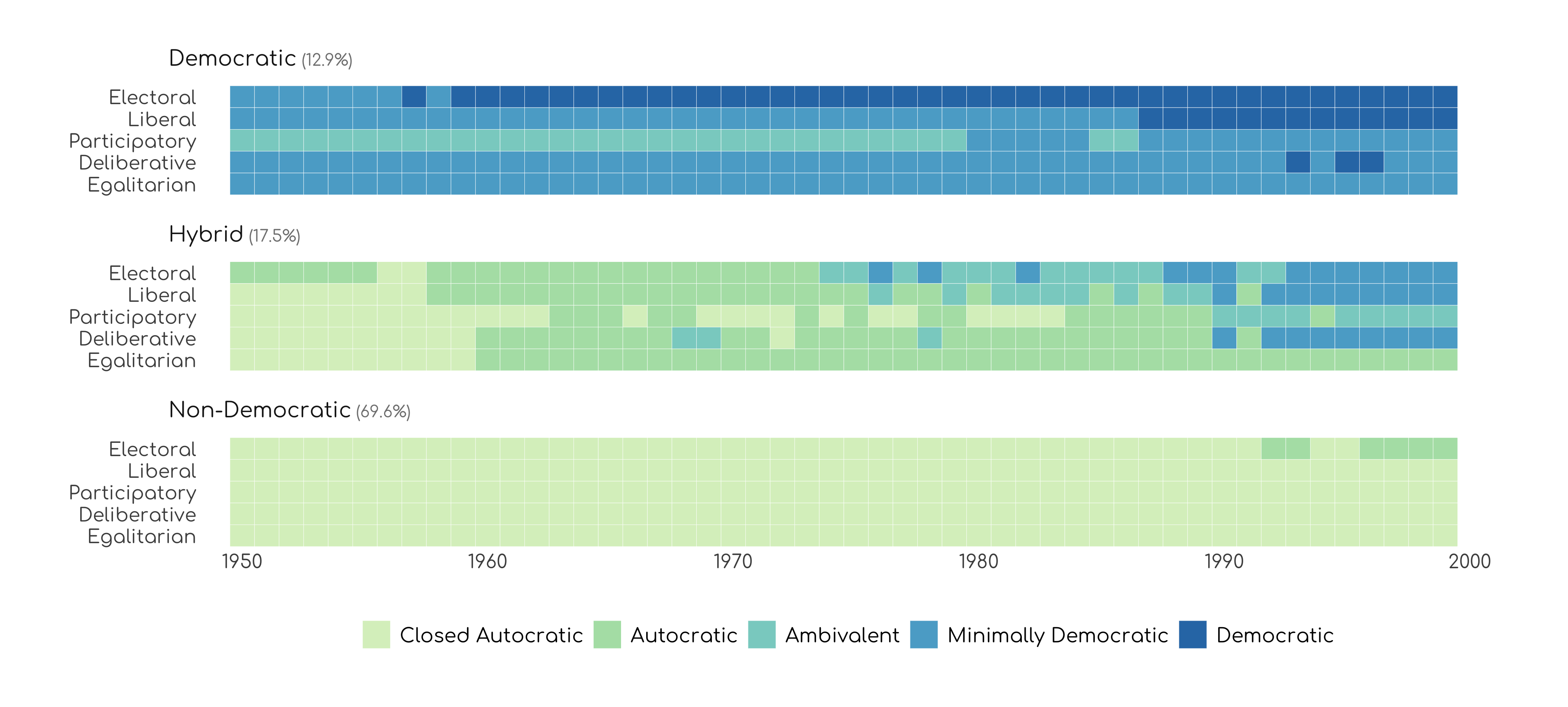
Formal vis-à-vis Deep Democracy

Over the last two centuries, countries across the world have transitioned from authoritarian rule. By any of the long-run indices available, democracy has spread far and wide … Yet while democracies exist everywhere, they do not everywhere exist equally. Beneath the veneer of formal democracy lies substantial variation in the extent to which citizens realize the ideal of self-rule.

(Kadivar, Usmani, and Bradlow 2020, 1311, EMPHASIS ADDED)

Formal vis-à-vis Deep Democracy

Dimension V-Dem Description
Electoral Democracy
Expand or Close

The electoral principle of democracy seeks to embody the core value of making rulers responsive to citizens, achieved through electoral competition for the electorate’s approval under circumstances when suffrage is extensive; political and civil society organizations can operate freely; elections are clean and not marred by fraud or systematic irregularities; and elections affect the composition of the chief executive of the country. In between elections, there is freedom of expression and an independent media capable of presenting alternative views on matters of political relevance. In the V-Dem conceptual scheme, electoral democracy is understood as an essential element of any other conception of representative democracy — liberal, participatory, deliberative, egalitarian, or some other.

Liberal Democracy
Expand or Close

The liberal principle of democracy emphasizes the importance of protecting individual and minority rights against the tyranny of the state and the tyranny of the majority. The liberal model takes a “negative” view of political power insofar as it judges the quality of democracy by the limits placed on government. This is achieved by constitutionally protected civil liberties, strong rule of law, an independent judiciary, and effective checks and balances that, together, limit the exercise of executive power.

Participatory Democracy
Expand or Close

The participatory principle of democracy emphasizes active participation by citizens in all political processes, electoral and non-electoral. It is motivated by uneasiness about a bedrock practice of electoral democracy: delegating authority to representatives. Thus, direct rule by citizens is preferred, wherever practicable. This model of democracy thus takes suffrage for granted, emphasizing engagement in civil society organizations, direct democracy, and subnational elected bodies.

Deliberative Democracy
Expand or Close

The deliberative principle of democracy focuses on the process by which decisions are reached in a polity. A deliberative process is one in which public reasoning focused on the common good motivates political decisions—as contrasted with emotional appeals, solidary attachments, parochial interests, or coercion. According to this principle, democracy requires more than an aggregation of existing preferences. There should also be respectful dialogue at all levels—from preference formation to final decision—among informed and competent participants who are open to persuasion.

Egalitarian Democracy
Expand or Close

The egalitarian principle of democracy holds that material and immaterial inequalities inhibit the exercise of formal rights and liberties, and diminish the ability of citizens from all social groups to participate. Egalitarian democracy is achieved when (1) rights and freedoms of individuals are protected equally across all social groups; and (2) resources are distributed equally across all social groups; (3) groups and individuals enjoy equal access to power.

All descriptions come directly from the V-Dem Codebook.

What is Populism?
(Mudde and Rovira Kaltwasser 2017)

An Essentially Contested Concept

While no important concept is beyond debate, the discussion about populism concerns not just what it is, but whether it even exists. It truly is an essentially contested concept.

(Mudde and Rovira Kaltwasser 2017, 2, EMPHASIS ADDED)

An Essentially Contested Concept

Why?

  1. Populism has been used to describe a wide range of individuals, movements and phenomena that share little in common.
  1. “If populism is everywhere … then it is nowhere.”
  1. Populism “is a morally and politically charged term, a weapon of political struggle as much as a tool of scholarly analysis.”

(Brubaker 2017, 358–59, EMPHASIS ADDED)

An Essentially Contested Concept

Is It Useful?

Yes.

Well, it can be.

The utility of populism as an analytic category is conditional on how we conceptualize—and in empirical settings, operationalize—the term.

More on empirics later.

Let’s first touch on conceptualization.

Conceptualizing Populism

So … What Is It?

Image retrieved from here.

For a relevant book, see Moffitt (2016).

For a relevant reading, see Stanley (2008).

For a relevant reading, see Bonikowski and Gidron (2016).

The Ideational Approach

In the past decade a growing group of social scientists have defined populism predominantly on the basis of an “ideational approach,” conceiving it as a discourse, an ideology, or a woridview … Beyond the lack of scholarly agreement on the defining attributes of populism, agreement is general that all forms of populism include some kind of appeal to “the people” and a denunciation of “the elite.” Accordingly, it is not overly contentious to state that populism always involves a critique of the establishment and an adulation of the common people.

(Mudde and Rovira Kaltwasser 2017, 5, EMPHASIS ADDED)

The Ideational Approach

… [W]e define populism as a thin-centered ideology that considers society to be ultimately separated into two homogeneous and antagonistic camps, “the pure people” versus “the corrupt elite,” and which argues that politics should be an expression of the volonté générale (’general will) of the people.

(Mudde and Rovira Kaltwasser 2017, 5–6, EMPHASIS ADDED)

The Ideational Approach

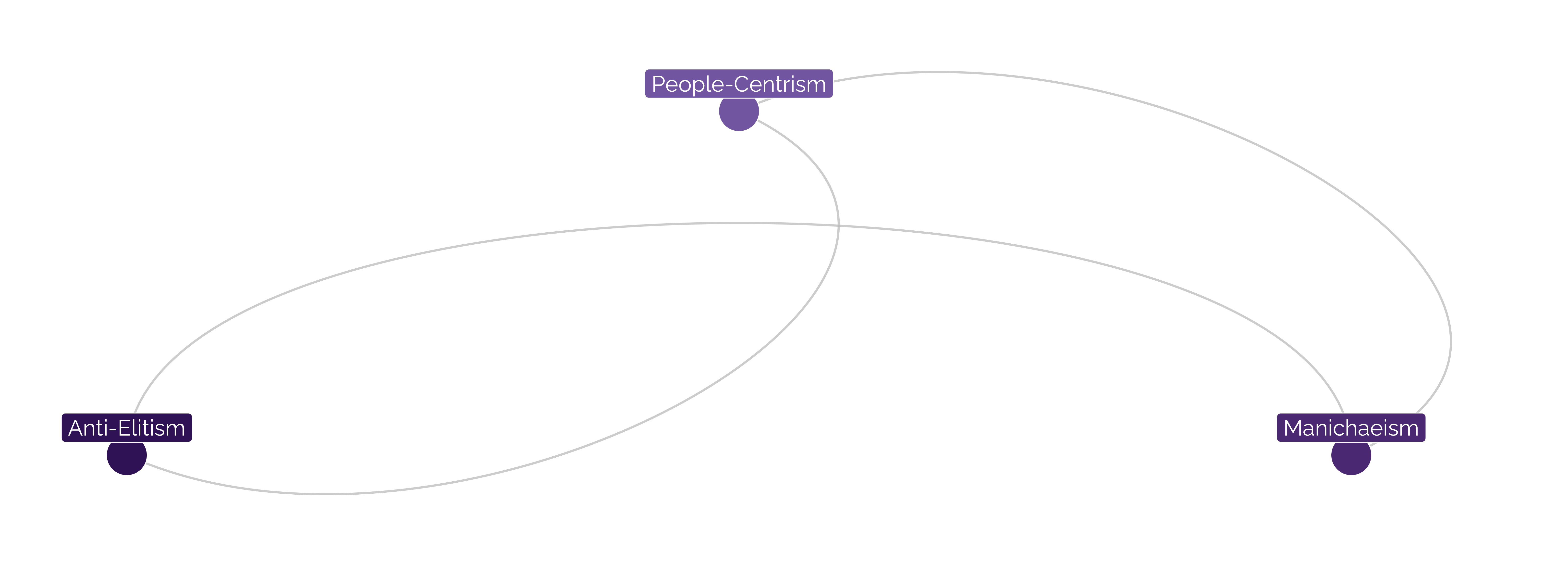
Three Key Ingredients

Three Key Ingredients

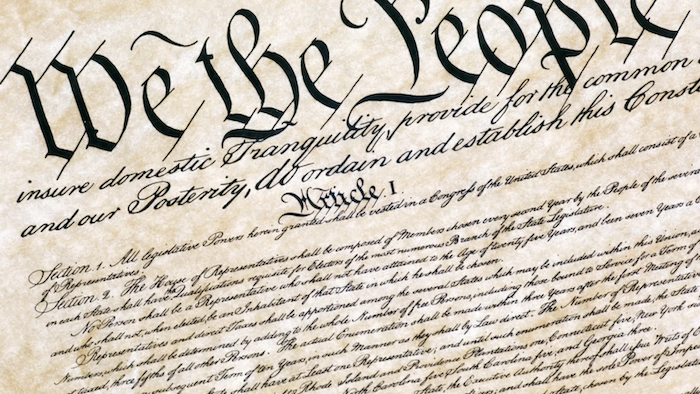
(1) People-Centrism

Image can be retrieved here

Three Key Ingredients

(2) Anti-Elitism

Image can be retrieved here

Three Key Ingredients

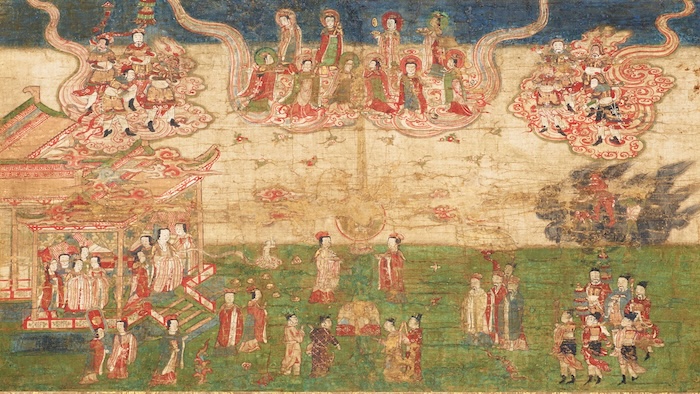
(3) Manichean Outlook

Birth of Mani

Another Group Exercise

Applying The Ideational Approach

Get into new groups of 2-3 students. And then answer two
simple questions.

  1. Who are the elites?

  2. Who are the people?

The Boundary Problem

The Bounds of the Sovereign

[W]hat constitutes ‘a people’ for the purpose of democratic government? Neither empirical nor normative theories tend to deal with this question, because they normally assume that ‘a people’ already exists … The reason for this is that we normally take for granted that those who are living within the (nation) state have the right of self-determination. Although this seems to be a plausible answer, it is bound to be paradoxical … [T]he notion of popular sovereignty that is at the centre of modern democratic theory assumes that the people authorise the establishment of the state, and not the other way round.

(Rovira Kaltwasser 2014, 472, EMPHASIS ADDED)

The Bounds of the Sovereign

Questioned in the Cradle of Democracy

In Robespierre’s thought, this question is entangled with the problem of the expression of the people and the representation of its sovereignty. How can the people speak? Can it be represented without renouncing its sovereignty at the same time? The two questions hover around a pressing issue during the transition period between absolute monarchy and democracy in France: How can a large and divided people be represented without the unity of the king’s body?

(Rousselière 2021, 671, EMPHASIS ADDED)

The Bounds of the Sovereign

In resolving the so-called democratic boundary problem,
populism can collapse into exclusion.

The Bounds of the Sovereign

One Perspective

[A]lthough it is an internal transformation of representative democracy, populism can disfigure it by making the principles of democratic legitimacy (the people and the majority) the possession of a part of the people, which a strong leader embodies and mobilizes against other parts (minorities and the political opposition). Populism in power is an extreme majoritarianism.

(Urbinati 2019, 113, EMPHASIS ADDED.)

The Bounds of the Sovereign

A Preview of Sorts

Does this align with Canovan’s (1999) ideas
about populism and democracy’s two faces?

Populism in the Wild–
September 10th

First, Some Broad Thoughts

How can you participate in this class?

First, Some Broad Thoughts

Some readings may be easy to understand,
others less so.

Now, Some Review

Populism and the Two Faces of Democracy
(Canovan 1999)

Populism and Redemptive Politics

Redemptive vs Pragmatic Democracy

Democracy is a redemptive vision, kin to the family of modern ideologies that promise salvation through politics. Pragmatically, however, it is a way of coping peacefully with the conflicts of modern societies by means of a highly contingent collection of rules and practices.

(Canovan 1999, 10, EMPHASIS ADDED.)

Populism and Redemptive Politics

Redemptive vs Pragmatic Democracy

The notion of popular power lies at the heart of the redemptive vision: the people are the only source of legitimate authority, and salvation is promised as and when they take charge of their own lives. But from a pragmatic point of view democracy is simply a form of government, a way of running what is always one particular polity amongst others in a complex world.

(Canovan 1999, 10, EMPHASIS ADDED.)

Populism and Redemptive Politics

Redemptive vs Pragmatic Democracy

Pragmatically, democracy means institutions: institutions not just to limit power, but also to constitute it and make it effective. But in redemptive democracy (as in redemptive politics more generally) there is a strong anti-institutional impulse: the romantic impulse to directness, spontaneity and the overcoming of alienation.

(Canovan 1999, 10, EMPHASIS ADDED.)

Populism and Redemptive Politics

Redemptive vs Pragmatic Democracy

When too great a gap opens up between haloed democracy and the grubby business of politics, populists tend to move on to the vacant territory, promising in place of the dirty world of party manoeuvring the shining ideal of democracy renewed.

(Canovan 1999, 11, EMPHASIS ADDED)

Populism and Redemptive Politics

[P]opulism is something internal to democracy. Given that the core concepts of the populist ideology … can be easily used to refer to the gap between democratic ideals and real existing democracies, we should not be surprised at the rise of populist actors who seek to enact the redemptive side of politics, and re-politicise those problems that intentionally or unintentionally are not being addressed by the establishment.

(Rovira Kaltwasser 2014, 484, EMPHASIS ADDED.)

Yet Another Group Exercise

Populism and Democracy

Get in groups once more. Then, describe what populism “means” and how it is, in many ways, inextricably linked to democracy.

Populism’s Roots and Contemporary Expressions

Possible Origins

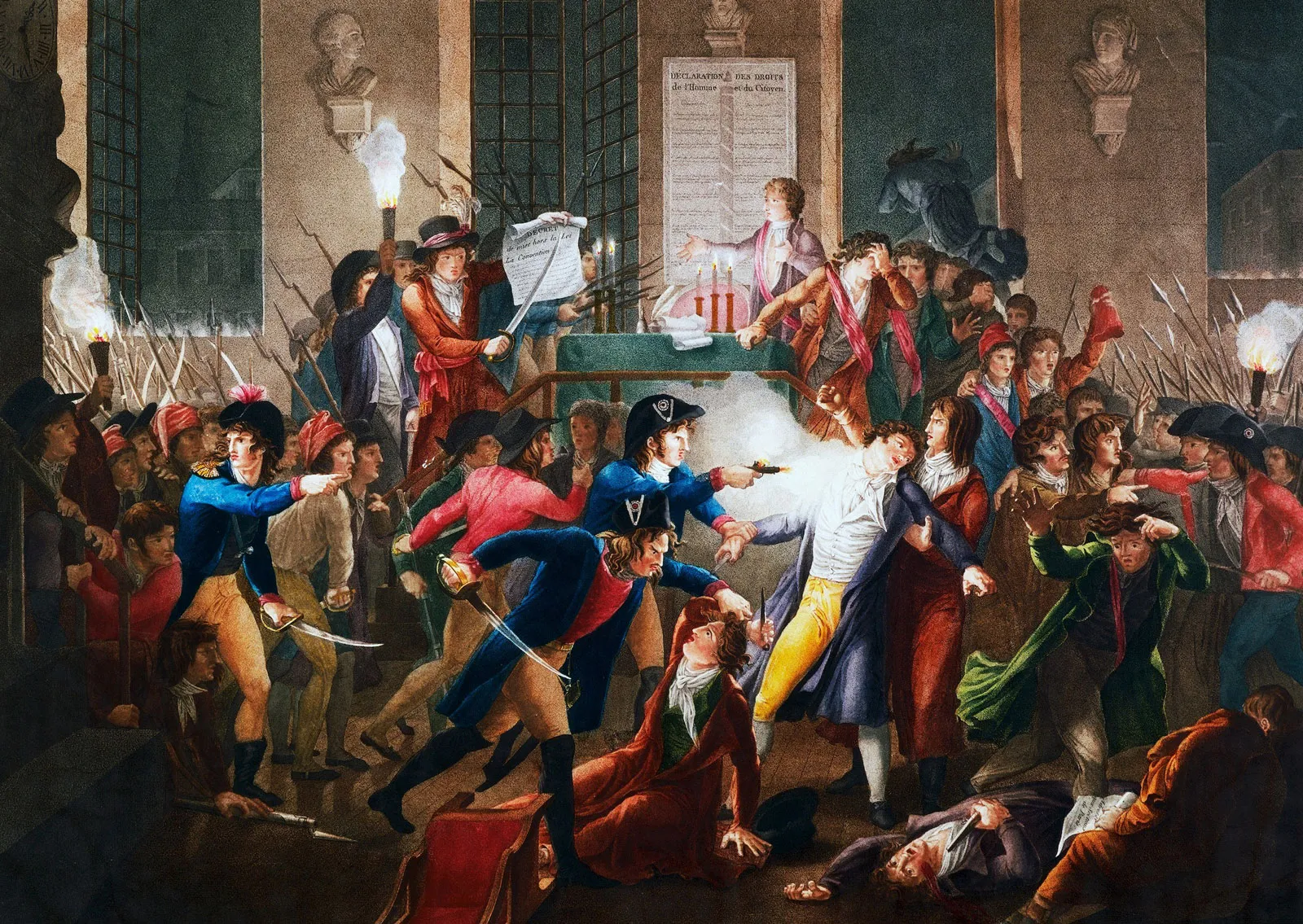
French Revolution

Jean Joseph François Tassaert’s Arrest of Robespierre
For a relevant paper, see Rousselière (2021).

Possible Origins

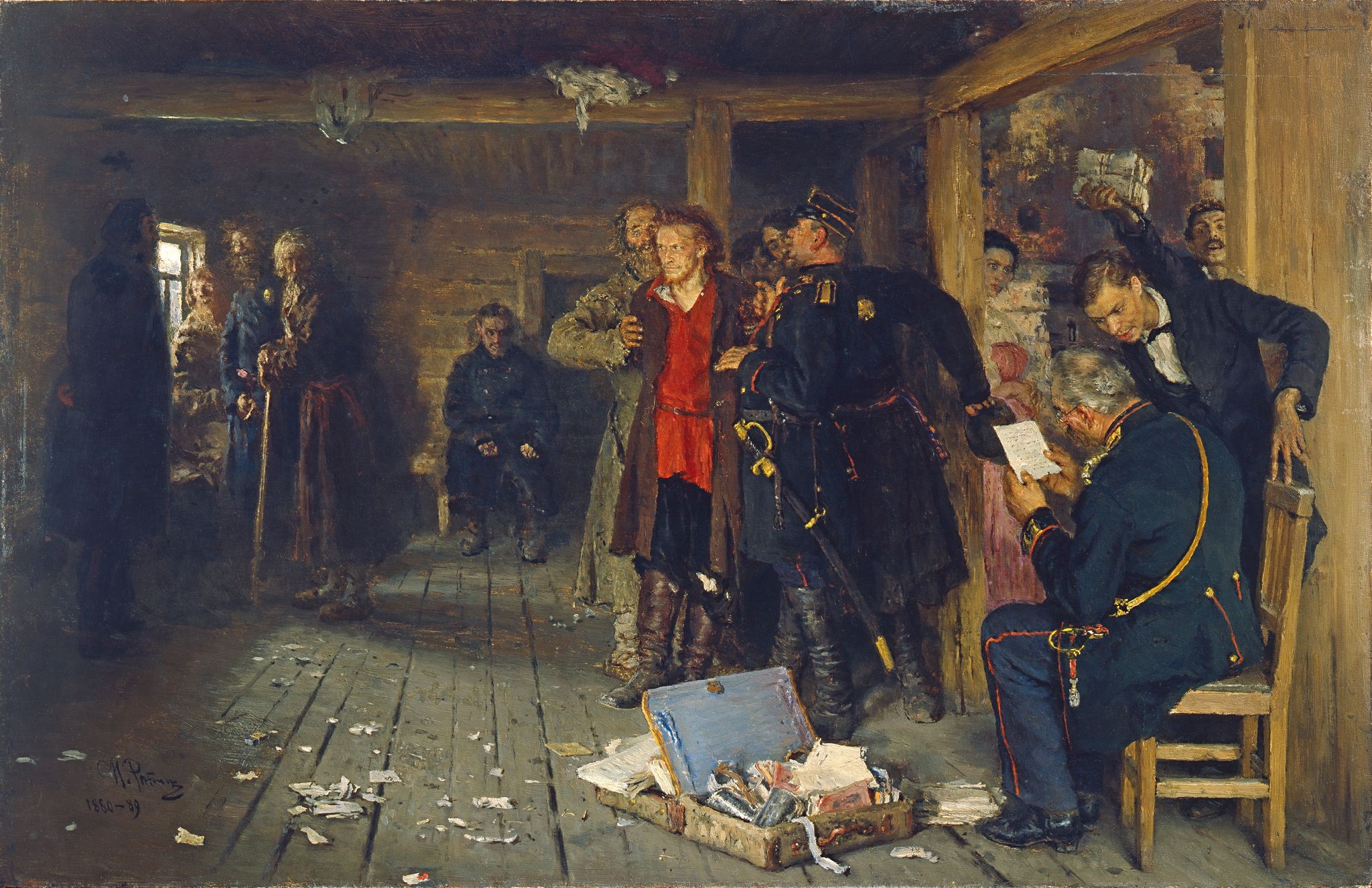
Russia’s Narodniks

Ilya Repin’s Arrest of a Propagandist
For a relevant paper, see Tarragoni (2024).

Possible Origins

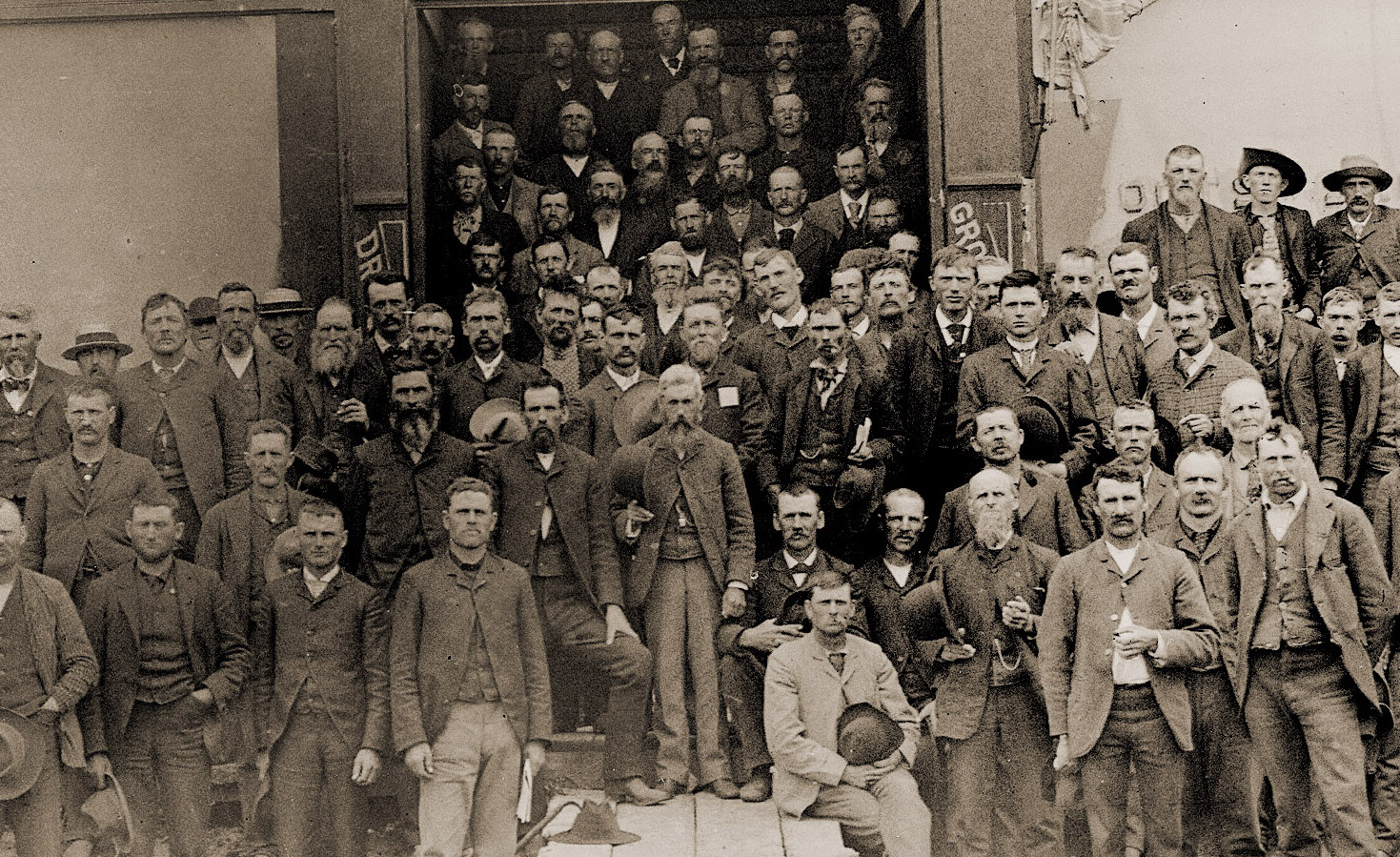
American People’s Party

People’s Party convention in 1890.
For a relevant reading, see Kazin (2017). Image above can be retrieved here

Modern-Day Examples?

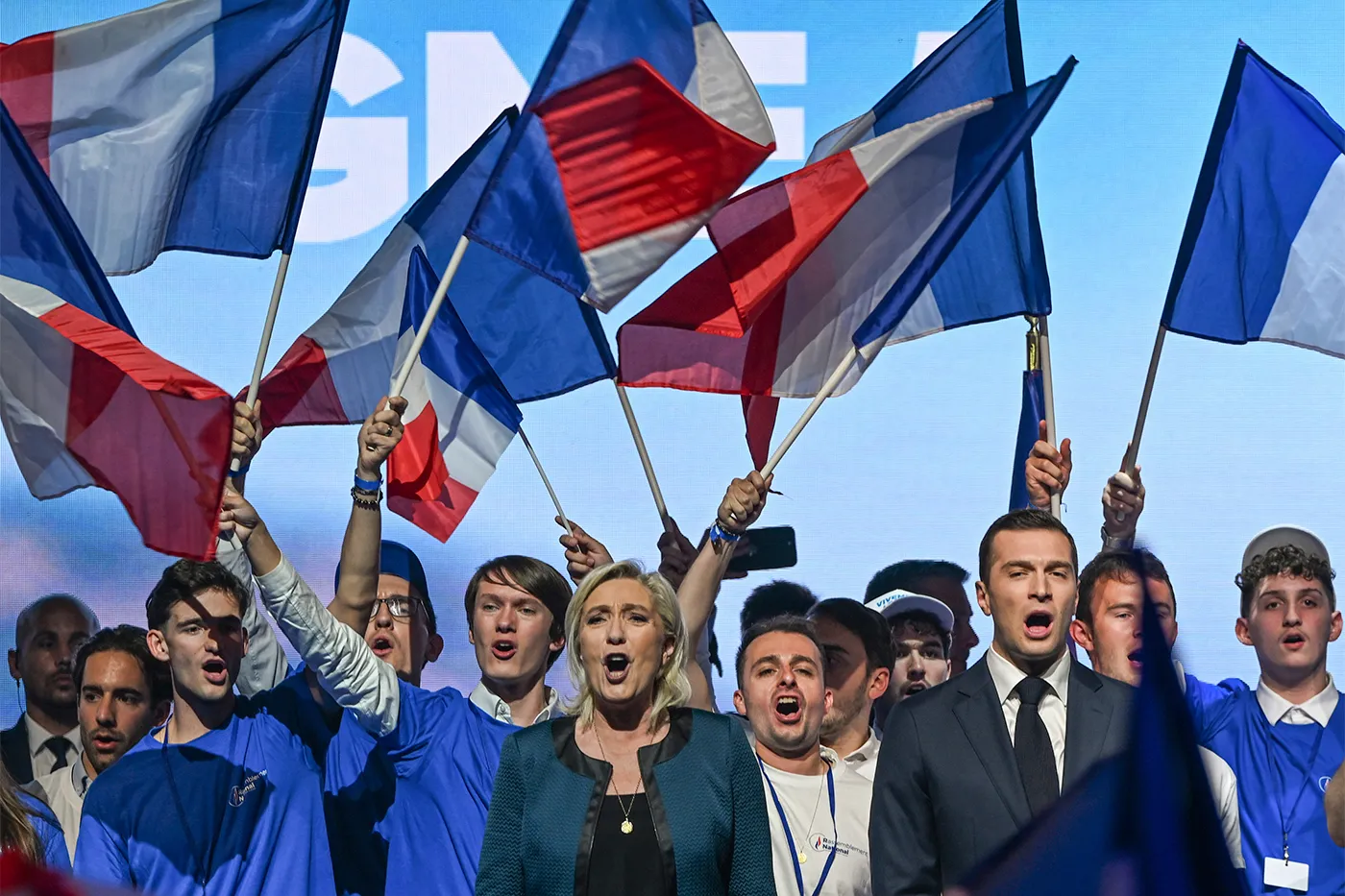
In France

The National Rally
For a relevant paper, see Reynié (2016). Image above can be retrieved here.

Modern-Day Examples?

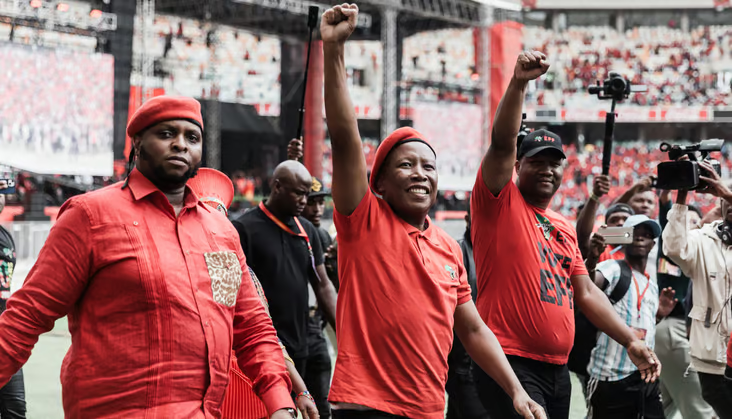
In South Africa

Economic Freedom Fighters
For a relevant reading, see Mbete (2020). Image can be retrieved here.

Modern-Day Examples?

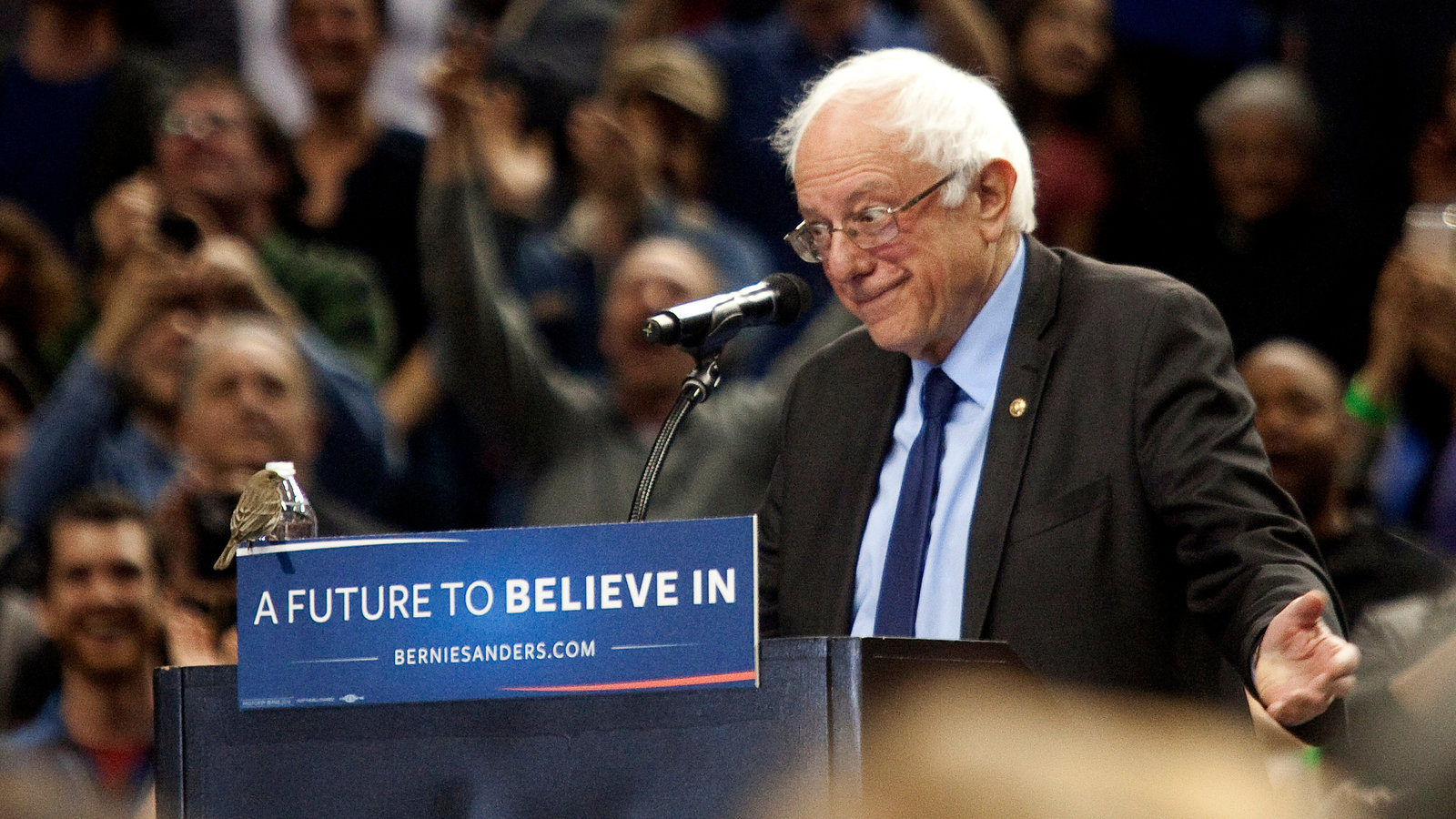
On the American Left

The Bernie Sanders Movement
For a relevant reading, see Macaulay (2019). Image can be retrieved here.

Modern-Day Examples?

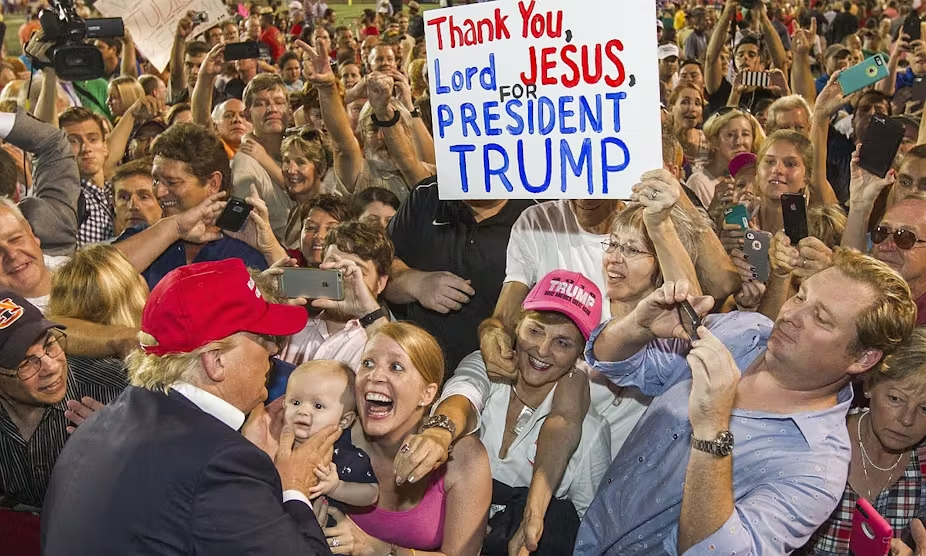
On the American Right

Trumpism
For a relevant reading, see Bonikowski (2019). Image can be retrieved here.

Modern-Day Examples?

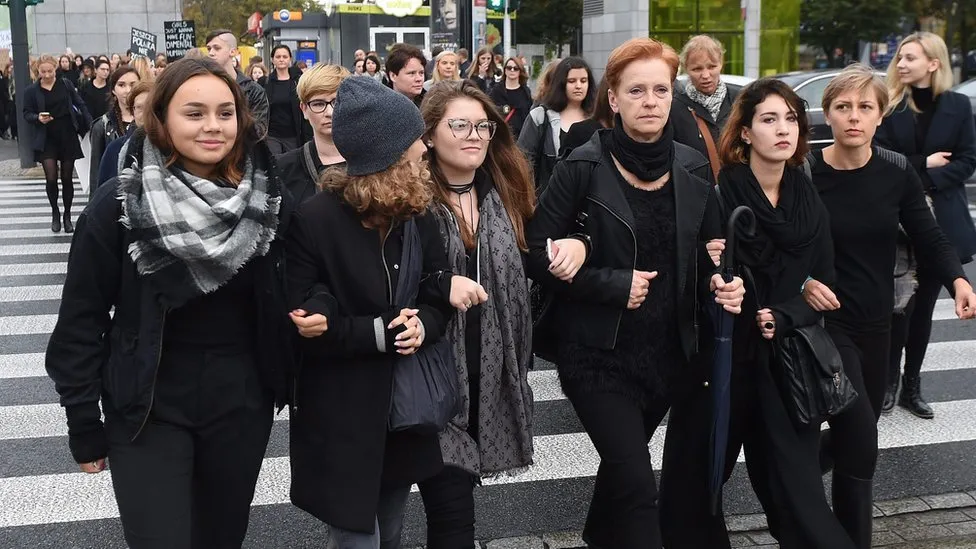
In Poland

Black Protests
For a relevant paper, see Graff (2020). Image can be retrieved here.

Modern-Day Examples?

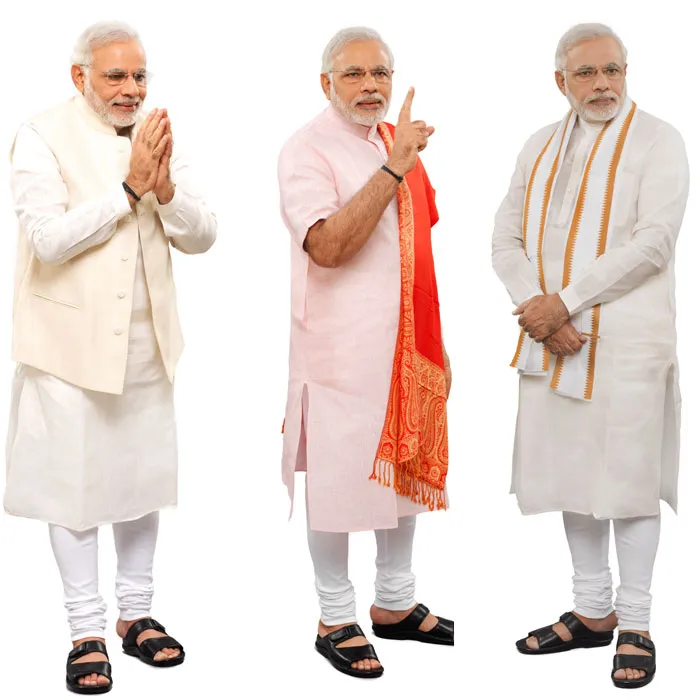
In India

Cow Vigilante Violence
For a relevant paper, see Jaffrey (2021). Image can be retrieved here.

A Populist Zeitgeist
(Mudde 2004)

The Mainstreaming of Populism

[P]opulist discourse has become mainstream in the politics of contemporary western democracies. I have called this the populist Zeitgeist. True, most mainstream parties mainly use populist rhetoric, but some also call for populist amendments to the liberal democratic system.

(Mudde 2004, 562, EMPHASIS ADDED)

The Mainstreaming of Populism

Can we detect this mainstreaming empirically?

The Mainstreaming of Populism

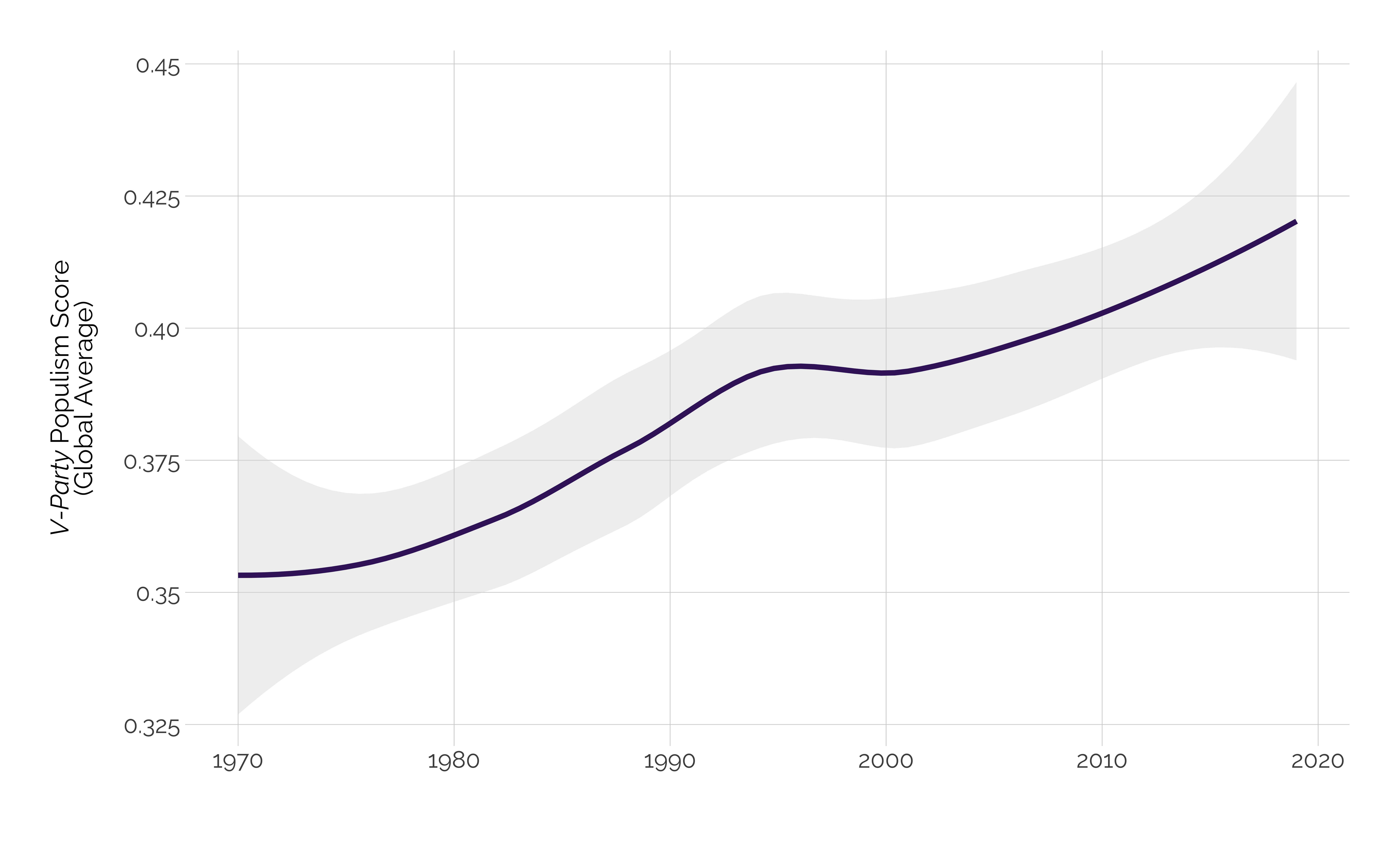
Mean Levels of Populism Around the World

Data Come From V-Party, V2

The Mainstreaming of Populism

Mean Levels of Populism Around the World

Data Come From V-Party, V2

The Mainstreaming of Populism

Mean Levels of Populism Around the World

Caveat Emptor

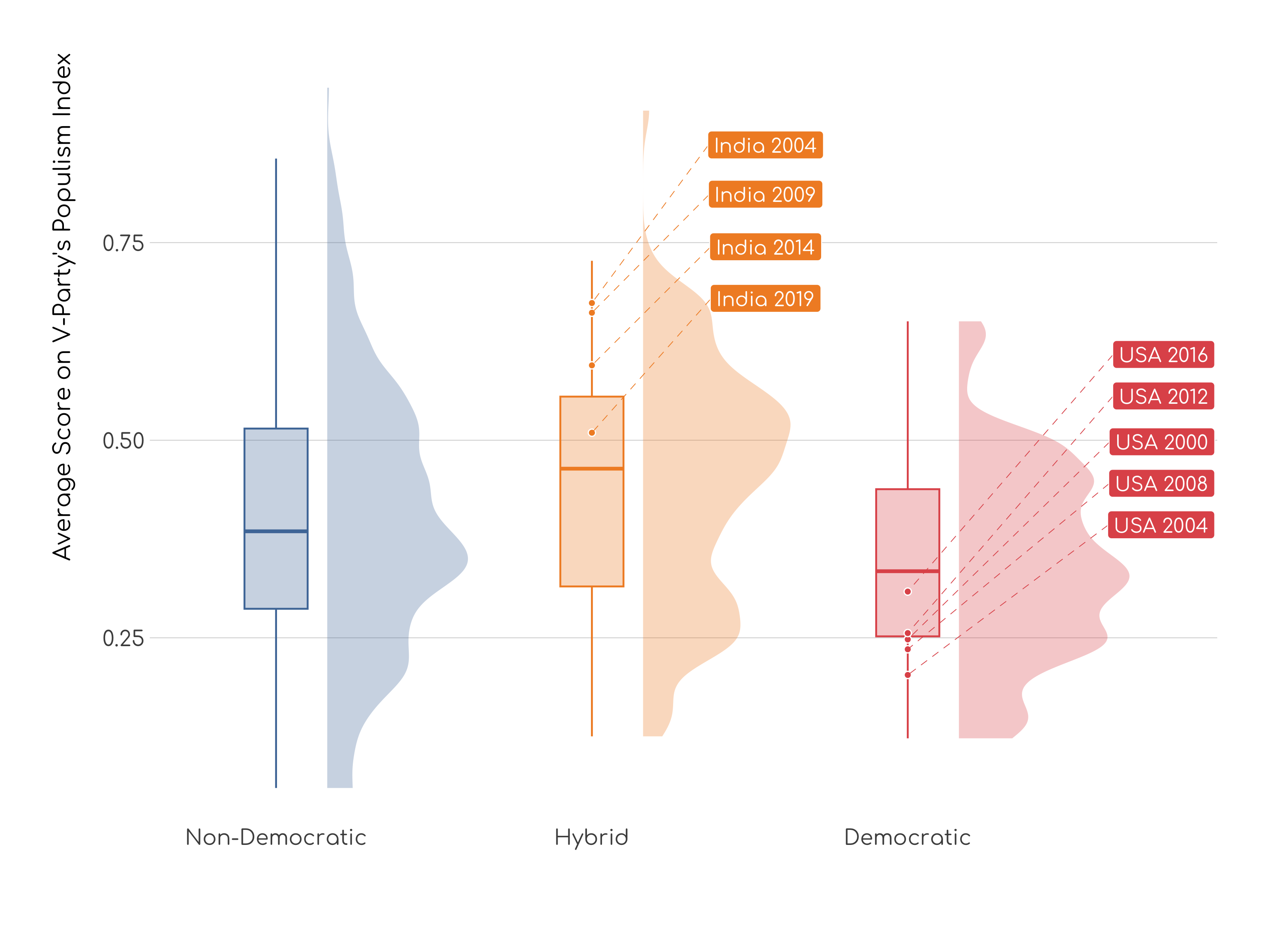
These are, to be sure, very noisy measures.

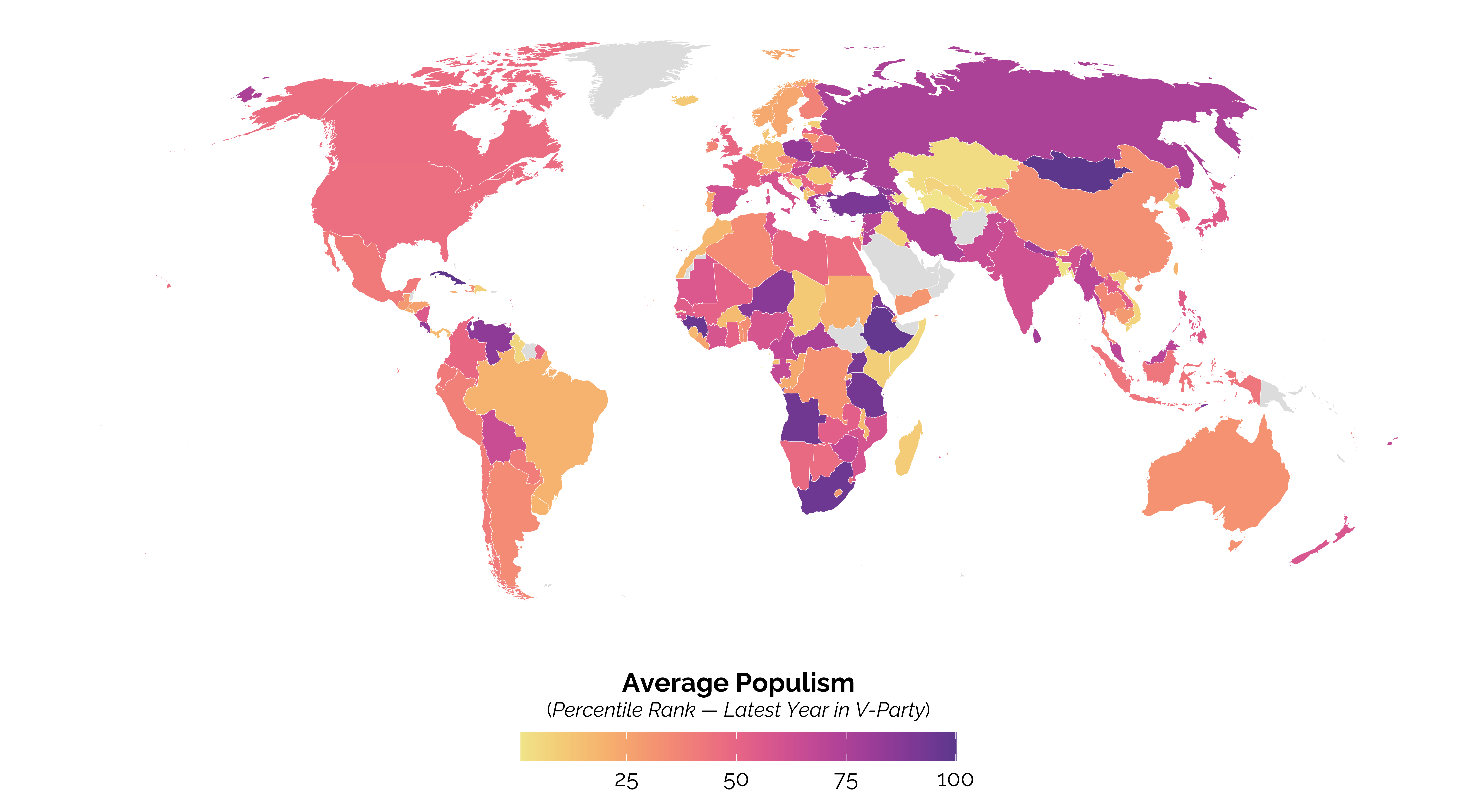
Global Variation in Populism

Another Noisy Measure

Data Come From V-Party, V2

Global Variation in Populism

To the extent that there are cross-national differences
in the resonance of populism, what might explain the variation?

Global Variation in Populism

One Possibility

Karim and Drago’s Democratic Strain and Populist Fervor in India, America and Beyond.

Global Variation in Populism

One Possibility

Karim and Drago’s Democratic Strain and Populist Fervor in India, America and Beyond.

Populism at Different
Levels of Analysis

Supply and Demand

Where most accounts focus exclusively on the populist supply, as they define populism as a style or strategy used by the political elite, our approach enables us to also look at the populist demand, i.e., the support for populist ideas at the mass level.

(Mudde and Rovira Kaltwasser 2017, 20, EMPHASIS ADDED)

Measuring the Supply Side

Coding Speeches

Full Page

Measuring the Supply Side

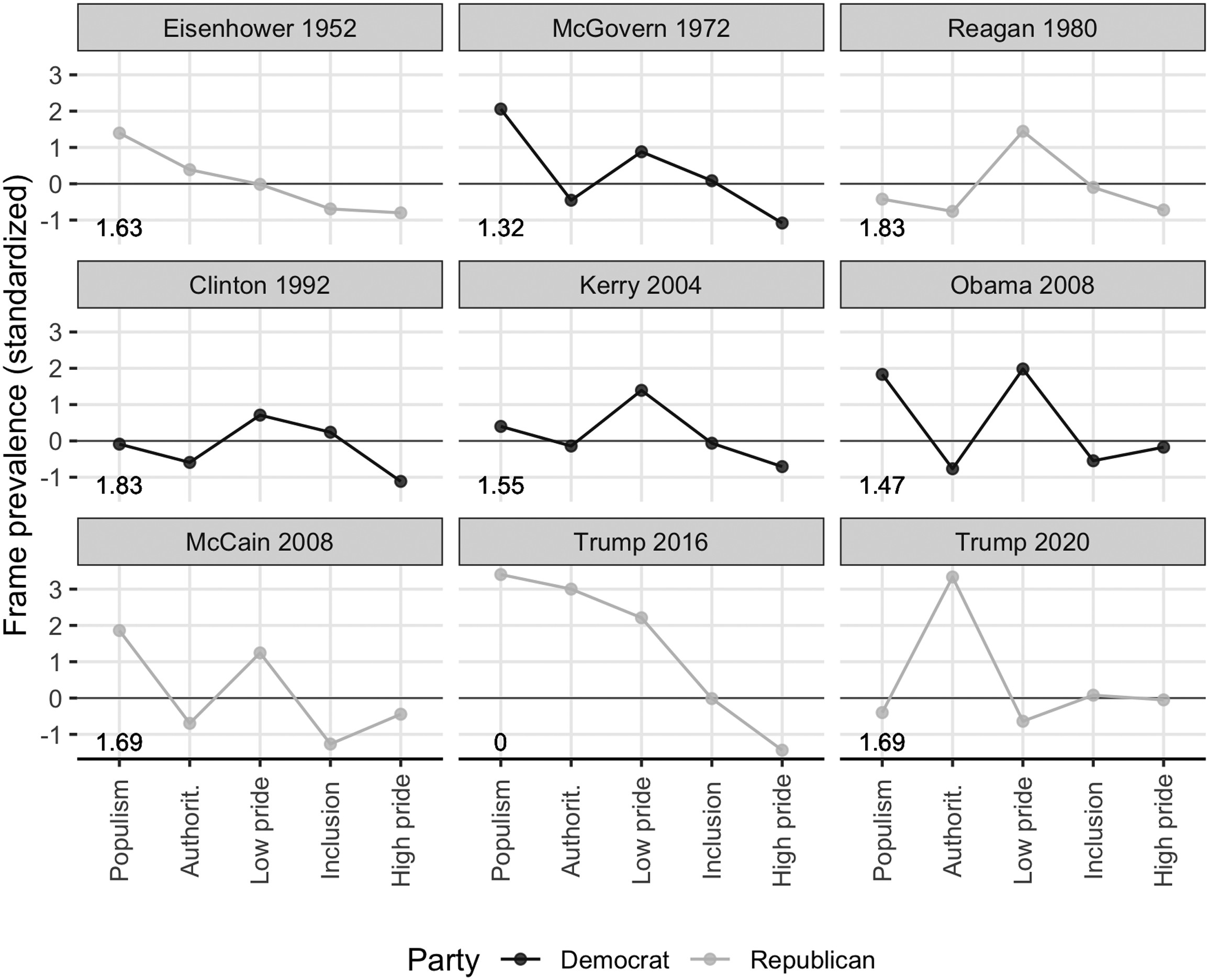
Computational Text Analysis

Figure 5 from Bonikowski, Luo and Stuhler (2022).

Measuring the Supply Side

Expert Surveys

You can access data from V-Party here

Measuring the Demand Side

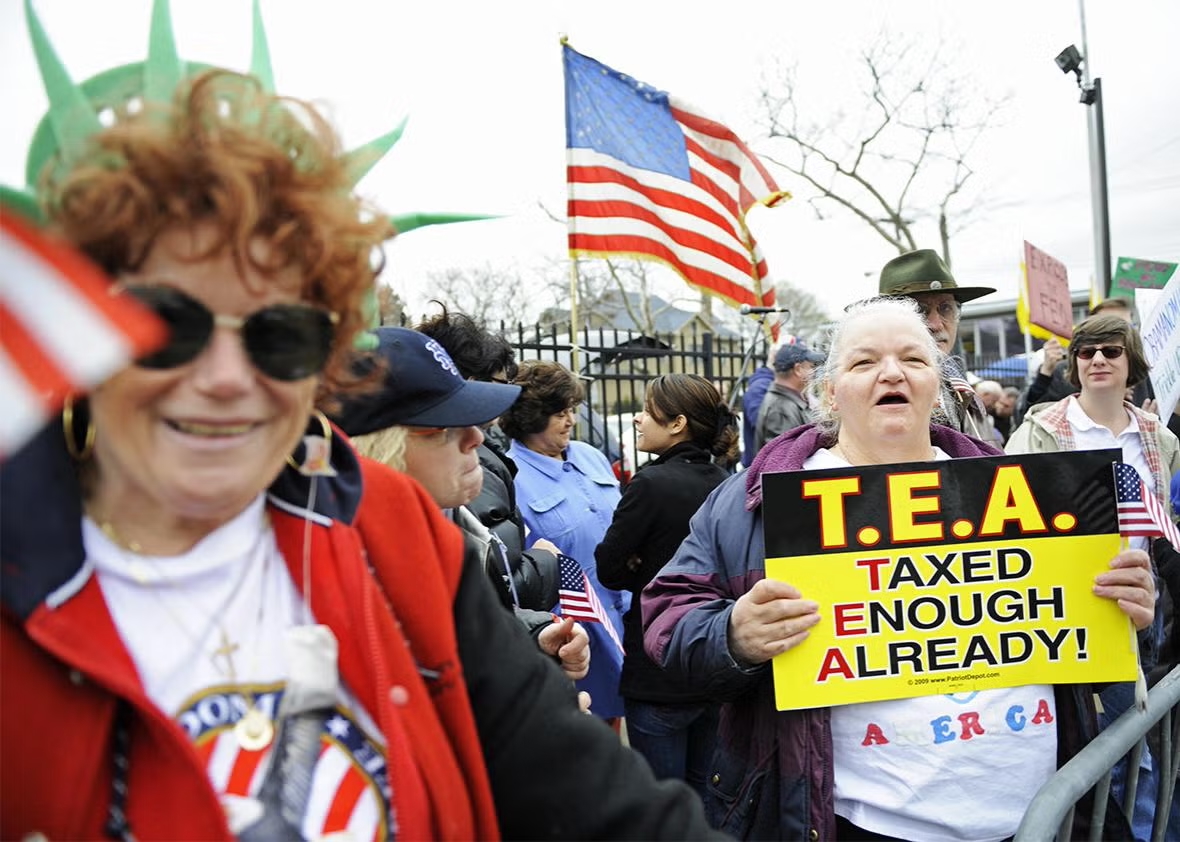
Interviews and Ethnographies

Note
For a relevant paper, see Williamson, Skocpol and Coggin (2011). Image above can be retrieved here.

Measuring the Demand Side

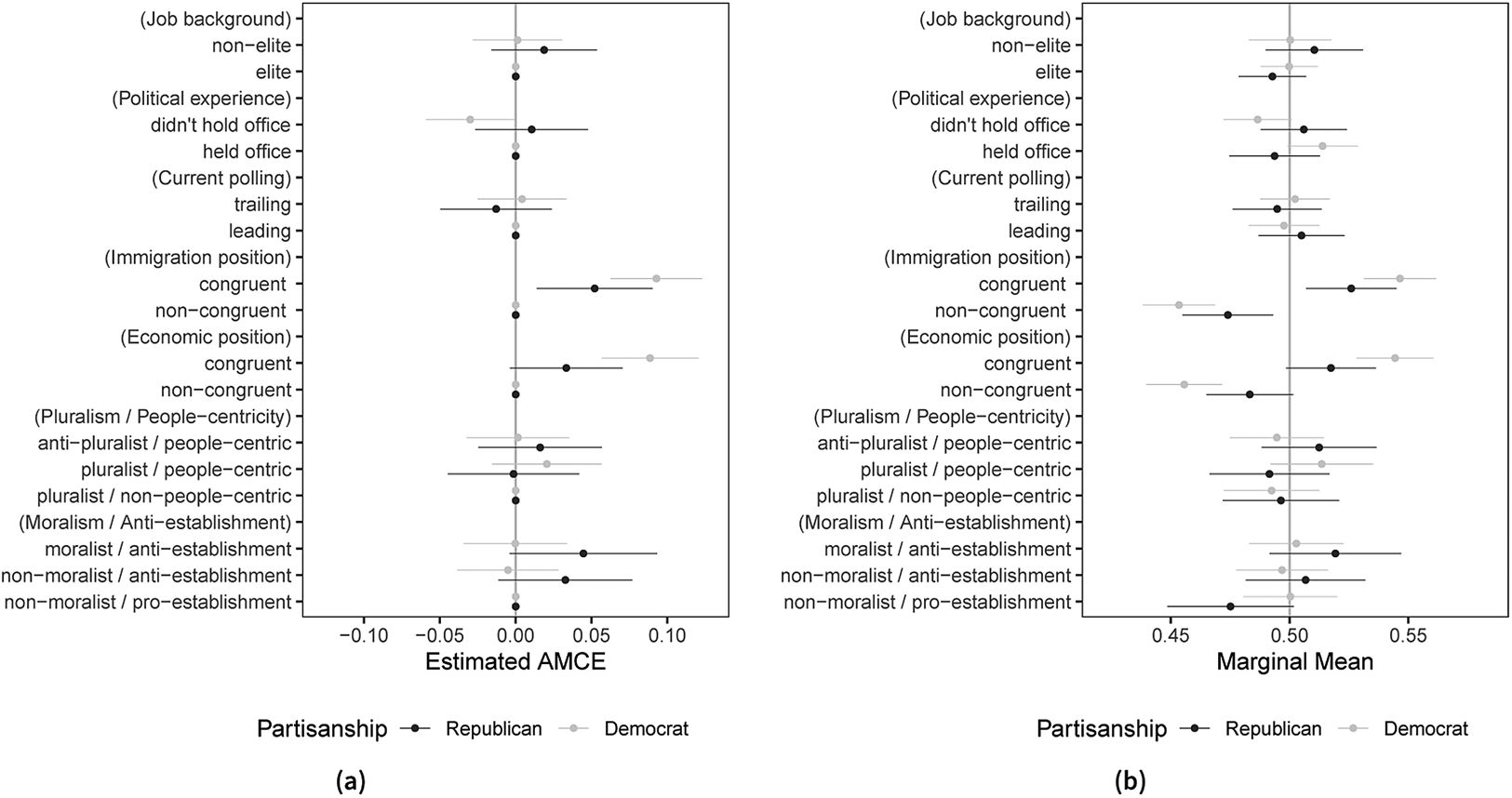
Experiments

Figure 3 from Dai and Kustov (2023)

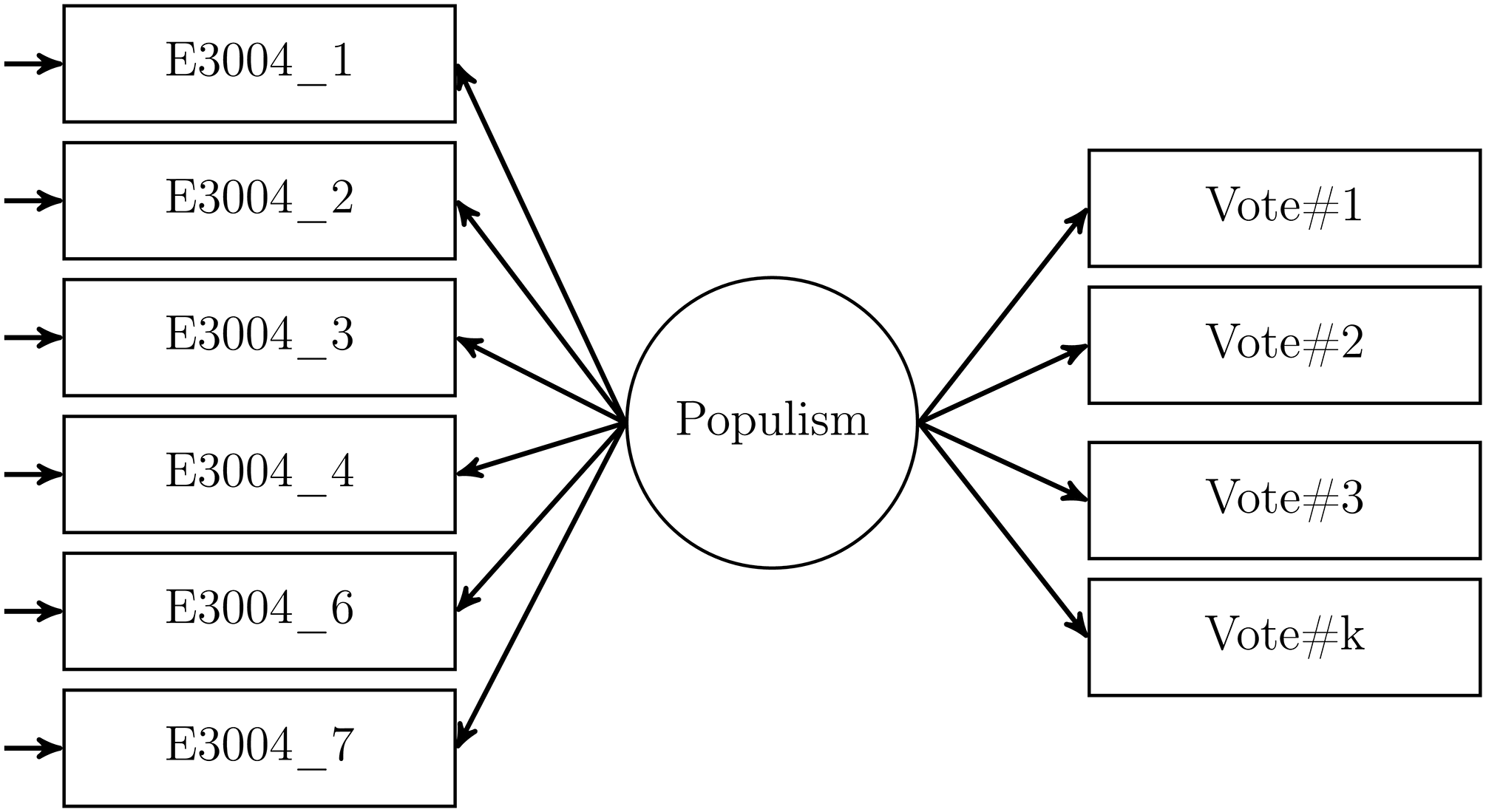
Measuring the Demand Side

Traditional Survey Analysis

Figure 1 from Jungkunz, Fahey and Hino (2021)

Challenges of Measurement

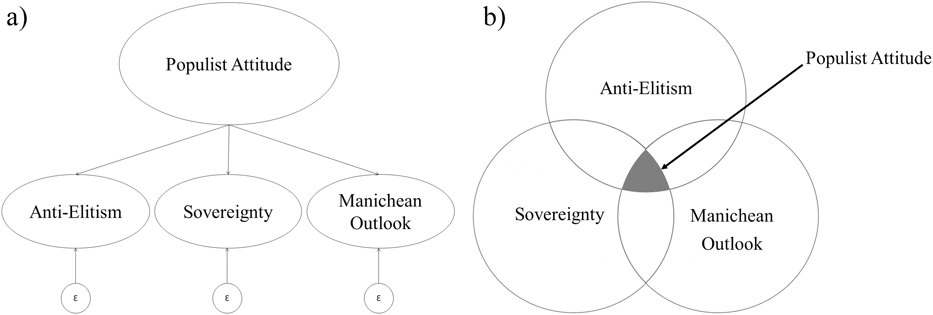
A Non-Compensatory Construct


Figure 8 from Wuttke, Schimpf and Schoen (2020)

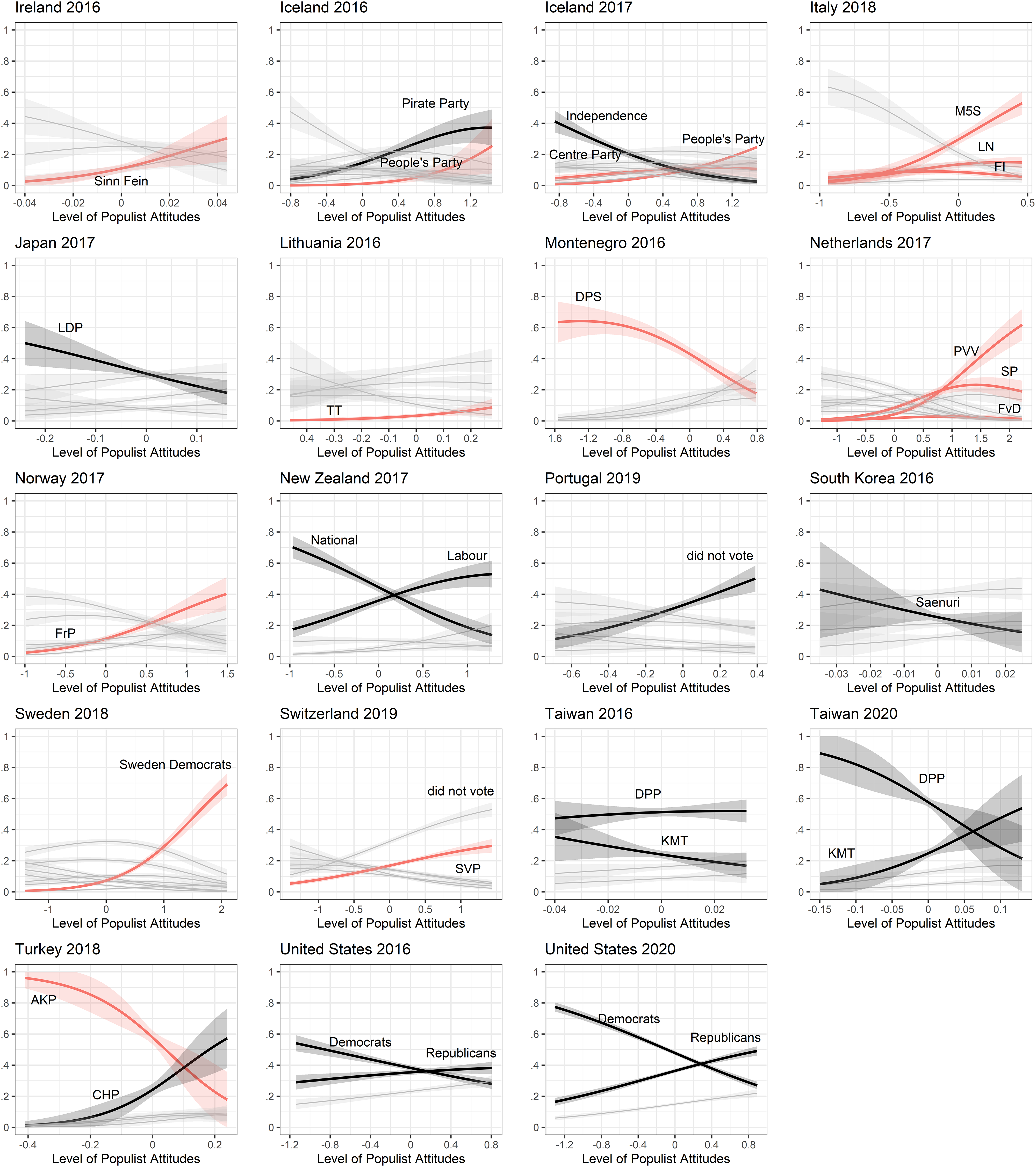
Challenges of Measurement

A Relational Construct

Figure 3 from Jungkunz and colleagues (2021)

A Final Group Exercise

Populism in the Wild

In groups of 3-4, discuss how you could use an ideational framework to study populist phenomena. How would you “capture” or “measure” populism? What kind(s) of data
would you need to test your assumptions?

Populism in the Wild


In those same groups, discuss how populist the following people or movements are on a scale from 1 to 10:

  • Black Lives Matter
  • Tea Party
  • Occupy Wall Street
  • Hillary Clinton
  • Bernie Sanders
  • Barack Obama
  • Mitt Romney
  • George W. Bush
  • Donald Trump

Enjoy the Weekend

References

Note: Scroll to access the entire bibliography

Bonikowski, Bart. 2019. “Trump’s Populism: The Mobilization of Nationalist Cleavages and the Future of US Democracy.” In When Democracy Trumps Populism: European and Latin American Lessons for the United States, edited by Kurt Weyland and Raúl L. Madrid, 110–31. Cambridge: Cambridge University Press. https://doi.org/10.1017/9781108692793.006.
Bonikowski, Bart, and Noam Gidron. 2016. “The Populist Style in American Politics: Presidential Campaign Discourse, 1952–1996.” Social Forces 94 (4): 1593–1621. https://doi.org/10.1093/sf/sov120.
Bonikowski, Bart, Yuchen Luo, and Oscar Stuhler. 2022. “Politics as Usual? Measuring Populism, Nationalism, and Authoritarianism in U.S. Presidential Campaigns (1952–2020) with Neural Language Models.” Sociological Methods & Research 51 (4): 1721–87. https://doi.org/10.1177/00491241221122317.
Brubaker, Rogers. 2017. “Why Populism?” Theory and Society 46 (5): 357–85. https://doi.org/10.1007/s11186-017-9301-7.
Canovan, Margaret. 1999. “Trust the People! Populism and the Two Faces of Democracy.” Political Studies 47 (1): 2–16. https://doi.org/10.1111/1467-9248.00184.
Dai, Yaoyao, and Alexander Kustov. 2023. “The (in)effectiveness of Populist Rhetoric: A Conjoint Experiment of Campaign Messaging.” Political Science Research and Methods, November, 1–8. https://doi.org/10.1017/psrm.2023.55.
Graff, Agnieszka. 2020. “Angry Women: Poland’s Black Protests as ‘Populist Feminism’.” In Right-Wing Populism and Gender, edited by Gabriele Dietze and Julia Roth, 231–50. Bielefeld: Transcript Verlag.
Jaffrey, Sana. 2021. “Right-Wing Populism and Vigilante Violence in Asia.” Studies in Comparative International Development 56 (2): 223–49. https://doi.org/10.1007/s12116-021-09336-7.
Jungkunz, Sebastian, Robert A. Fahey, and Airo Hino. 2021. “How Populist Attitudes Scales Fail to Capture Support for Populists in Power.” PLOS ONE 16 (12): e0261658. https://doi.org/10.1371/journal.pone.0261658.
Kadivar, Mohammad Ali, Adaner Usmani, and Benjamin H Bradlow. 2020. “The Long March: Deep Democracy in Cross-National Perspective.” Social Forces 98 (3): 1311–38. https://doi.org/10.1093/sf/soz050.
Kazin, Michael. 2017. The Populist Persuasion: An American History. Ithaca: Cornell University Press. https://muse.jhu.edu/pub/255/monograph/book/56726.
Macaulay, Marcia. 2019. “Bernie and the Donald: A Comparison of Left- and Right-Wing Populist Discourse.” In Populist Discourse: International Perspectives, edited by Marcia Macaulay, 165–95. Cham: Springer International Publishing. https://doi.org/10.1007/978-3-319-97388-3_6.
Mbete, Sithembile. 2020. “Populism in Global Perspective: A Performative and Discursive Approach.” In Out With the Old, In With the New?: The ANC and EFF’s Battle to Represent the South African People, edited by Pierre Ostiguy, Francisco Panizza, and Benjamin Moffitt, 240–54. New York: Routledge. https://doi.org/10.4324/9781003110149-14.
Moffitt, Benjamin. 2016. The Global Rise of Populism: Performance, Political Style, and Representation. Stanford, CA: Stanford University Press. http://stanford.universitypressscholarship.com/view/10.11126/stanford/9780804796132.001.0001/upso-9780804796132.
Mudde, Cas. 2004. “The Populist Zeitgeist.” Government and Opposition 39 (4): 541–63. https://doi.org/10.1111/j.1477-7053.2004.00135.x.
Mudde, Cas, and Cristóbal Rovira Kaltwasser. 2017. Populism: A Very Short Introduction. Oxford University Press. https://doi.org/10.1093/actrade/9780190234874.001.0001.
Reynié, Dominique. 2016. “The Specter Haunting Europe: Heritage Populism and France’s National Front.” Journal of Democracy 27 (4): 47–57. https://muse.jhu.edu/pub/1/article/633751.
Rousselière, Geneviève. 2021. “Can Popular Sovereignty Be Represented? Jacobinism from Radical Democracy to Populism.” American Journal of Political Science 65 (3): 670–82. https://doi.org/10.1111/ajps.12600.
Rovira Kaltwasser, Cristóbal. 2014. “The Responses of Populism to Dahl’s Democratic Dilemmas.” Political Studies 62 (3): 470–87. https://doi.org/10.1111/1467-9248.12038.
Stanley, Ben. 2008. “The Thin Ideology of Populism.” Journal of Political Ideologies 13 (1): 95–110. https://doi.org/10.1080/13569310701822289.
Tarragoni, Federico. 2024. “Populism, an Ideology Without History? A New Genetic Approach.” Journal of Political Ideologies 29 (1): 42–63. https://doi.org/10.1080/13569317.2021.1979130.
Urbinati, Nadia. 2019. “Political Theory of Populism.” Annual Review of Political Science 22 (1): 111–27. https://doi.org/10.1146/annurev-polisci-050317-070753.
Usmani, Adaner. 2018. “Democracy and the Class Struggle.” American Journal of Sociology 124 (3): 664–704. https://doi.org/10.1086/700235.
Williamson, Vanessa, Theda Skocpol, and John Coggin. 2011. “The Tea Party and the Remaking of Republican Conservatism.” Perspectives on Politics 9 (1): 25–43. https://www.jstor.org/stable/41622724.
Wuttke, Alexander, Christian Schimpf, and Harald Schoen. 2020. “When the Whole Is Greater Than the Sum of Its Parts: On the Conceptualization and Measurement of Populist Attitudes and Other Multidimensional Constructs.” American Political Science Review 114 (2): 356–74. https://doi.org/10.1017/S0003055419000807.